


Thinking about updating your bathroom? It’s easy to get caught up in picking out the prettiest tiles or the fanciest faucet. But there’s one thing that often gets overlooked, and it can really make or break the whole room: the bathroom light fixture. Seriously, most people mess this up during a renovation, and it leads to all sorts of annoyances later on. Let’s talk about what goes wrong and how to get it right.
Key Takeaways
- The biggest mistake people make with a bathroom light fixture is focusing only on looks and forgetting how they’ll actually use the space. Good lighting isn’t just about brightness; it’s about making tasks like shaving or applying makeup easier.
- You need more than just one overhead light. Layering different types of lighting—like vanity lights for task lighting, general ceiling lights, and maybe even accent lights—makes a huge difference.
- When picking out your bathroom light fixture, think about the size of your room. A giant chandelier might look cool, but it could make a small bathroom feel even smaller and more cramped.
- Don’t forget about the practical stuff. Consider the brightness (lumens) and the color of the light (Kelvin) to create the right mood and ensure you can see clearly.
- Planning your bathroom lighting should happen early in the renovation process, not at the very end. The placement of wires and fixtures needs to be decided before you start tearing things down.
What Exactly Is a Bathroom Light Fixture ?
So, what are we even talking about when we say “bathroom light fixture”? It’s more than just the bulb you screw in, you know. A light fixture, sometimes called a luminaire, is basically the whole setup that holds and powers a light bulb. Think of it as the complete electrical package that makes light happen in your bathroom. This includes everything from the decorative shade or housing to the actual socket where the bulb goes, and all the wiring that connects it to your home’s electricity. When you’re planning a renovation, especially if you’re looking for a specific style like a “bathroom light fixture ottawa” might offer, it’s important to remember that the fixture itself is a key design element, not just a functional necessity. It’s the piece that adds style and directs the light where you need it.
The right fixture can transform a dull space into something much more inviting and functional. It’s not just about brightness; it’s about how the light looks and feels in the room.
When you’re picking out new lights, you’ll see a bunch of different types. They all serve the purpose of lighting up your bathroom, but they do it in different ways and look pretty different too. It’s like choosing furniture – you want something that works well and looks good.
- Vanity Lights: These are usually placed around your mirror to give you good light for grooming.
- Ceiling Lights: These provide general illumination for the whole room.
- Shower Lights: These are designed to be safe and functional in a wet environment.
Understanding these basic categories is the first step to getting your bathroom lighting right. It’s all about making sure your bathroom is well-lit and looks great. Learn about lighting options for your home.
The Most Common Bathroom Lighting Mistake: Overlooking Functionality
Okay, so you’re redoing your bathroom, and you’re thinking about all the cool stuff – the fancy tiles, the new vanity, maybe even a rainfall showerhead. That’s all great, but here’s where a lot of people trip up: they forget about the actual light. It’s easy to get caught up in how things look, but if your bathroom isn’t functional, you’re going to regret it every single day. This is one of those common bathroom lighting mistakes that really bites you later.
Think about your morning routine. You’re trying to shave, put on makeup, or just generally get ready. If your only light source is a single bulb in the ceiling, you’re probably going to end up with weird shadows on your face. It’s not ideal, right? Plus, a bathroom that’s only lit from above can feel a bit flat and uninviting, no matter how nice the fixtures are.
Task Lighting: Illuminating Your Vanity
This is probably the most important part of bathroom lighting. You need good light right where you’re doing detailed work, like at the sink. Sconces on either side of the mirror are fantastic for this because they light your face evenly from both sides, cutting down on shadows. If you can’t do sconces, a well-placed fixture directly above the mirror can work, but make sure it’s wide enough to cover the whole mirror area.
Ambient Lighting: Setting the Mood
This is the general, overall light in the room. It’s what makes the space feel comfortable and welcoming. Often, a ceiling fixture can handle this job. You want something that provides a nice, even glow without being harsh. Dimmers are your best friend here; they let you adjust the brightness depending on what you’re doing or the time of day.
Accent Lighting: Highlighting Features
This is where you can get a little creative. Accent lighting is for drawing attention to specific things you love about your bathroom. Maybe you have some cool tile work you want to show off, or a nice piece of art. You could put small lights under cabinets, in shower niches, or even around the edge of a bathtub. It adds depth and a touch of luxury.
The key is to layer your lighting. Don’t rely on just one type. Think about how you use the space and what kind of light you need for each activity. A well-lit bathroom is a happy bathroom, trust me.
Here’s a quick rundown of what to aim for:
- Task Lighting: Bright, shadow-free light at the vanity for grooming.
- Ambient Lighting: Soft, general illumination for the whole room.
- Accent Lighting: Focused light to highlight decorative elements.
Getting the lighting right might seem like a small detail, but it makes a huge difference in how your bathroom looks and feels every single day. Don’t make the mistake of treating it as an afterthought!
Choosing the Right Type of Bathroom Light Fixture

When you’re updating bathroom ceiling lights or adding new fixtures, it’s easy to get caught up in how pretty they look. But honestly, the type of fixture you pick matters a lot for how the room actually functions. You don’t want a bathroom that looks good in pictures but is a pain to use every morning, right? That’s something we always remind homeowners at On Point Renovations.
Vanity Lights: Sconces vs. Over-Mirror Fixtures
This is where a lot of people go wrong. Just slapping one light above the mirror often creates shadows on your face, making it tough to shave or put on makeup. It can also make the whole room feel a bit flat. Instead, think about layering your lighting.
- Sconces on either side of the mirror: These are great because they provide even light right where you need it for grooming. They usually mount on the wall, one on each side of the mirror, at about eye level. This is often considered the best option for functional lighting at the vanity.
- Over-mirror fixtures: If you don’t have space for side sconces, a fixture mounted directly above the mirror can work. Look for ones that diffuse light well, so it’s not too harsh. Some modern designs offer a clean look, but they can still cast shadows if not chosen carefully.
- Integrated vanity lighting: Some mirrors come with built-in lighting. These can be sleek and modern, but make sure the light quality is good and that it illuminates your face properly.
The goal is to illuminate your face evenly, minimizing shadows.
Ceiling Lights: Recessed, Flush Mount, and Chandeliers
Ceiling lights are your main source of general illumination, often called ambient lighting. When updating bathroom ceiling lights, consider these options:
- Recessed Lights (Can Lights): These are popular because they sit flush with the ceiling, giving a clean, modern look. They’re good for general brightness, but you’ll likely need several to light a whole bathroom evenly. Make sure they’re rated for damp locations if they’re in a shower area.
- Flush Mount Fixtures: These sit directly against the ceiling and are a good choice for smaller bathrooms or areas with lower ceilings. They come in tons of styles, from simple domes to more decorative designs.
- Chandeliers: Yes, even in a bathroom! A small, stylish chandelier can add a touch of glam, especially in a powder room or a larger master bath. Just make sure it’s not too low where someone might bump their head.
When choosing ceiling lights, think about the overall mood you want for your bathroom. Do you want bright and functional, or soft and relaxing? The type and placement of these fixtures play a big role.
Shower Lights: Safety and Style
Don’t forget about the shower! This is a wet area, so safety is key. You’ll need fixtures specifically rated for damp or wet locations.
- Recessed Shower Lights: These are the most common. They provide good light within the shower stall and are unobtrusive. Aim for at least one, maybe two, depending on the shower size.
- Linear LED Strips: Sometimes placed under a bench or along the ceiling edge, these can add a modern, spa-like feel.
- Wall Sconces (if applicable): In larger walk-in showers with seating, a small, wet-rated sconce might be an option for a more luxurious feel, but recessed lights are usually the go-to for safety and practicality.
Key Considerations for Bathroom Light Fixtures
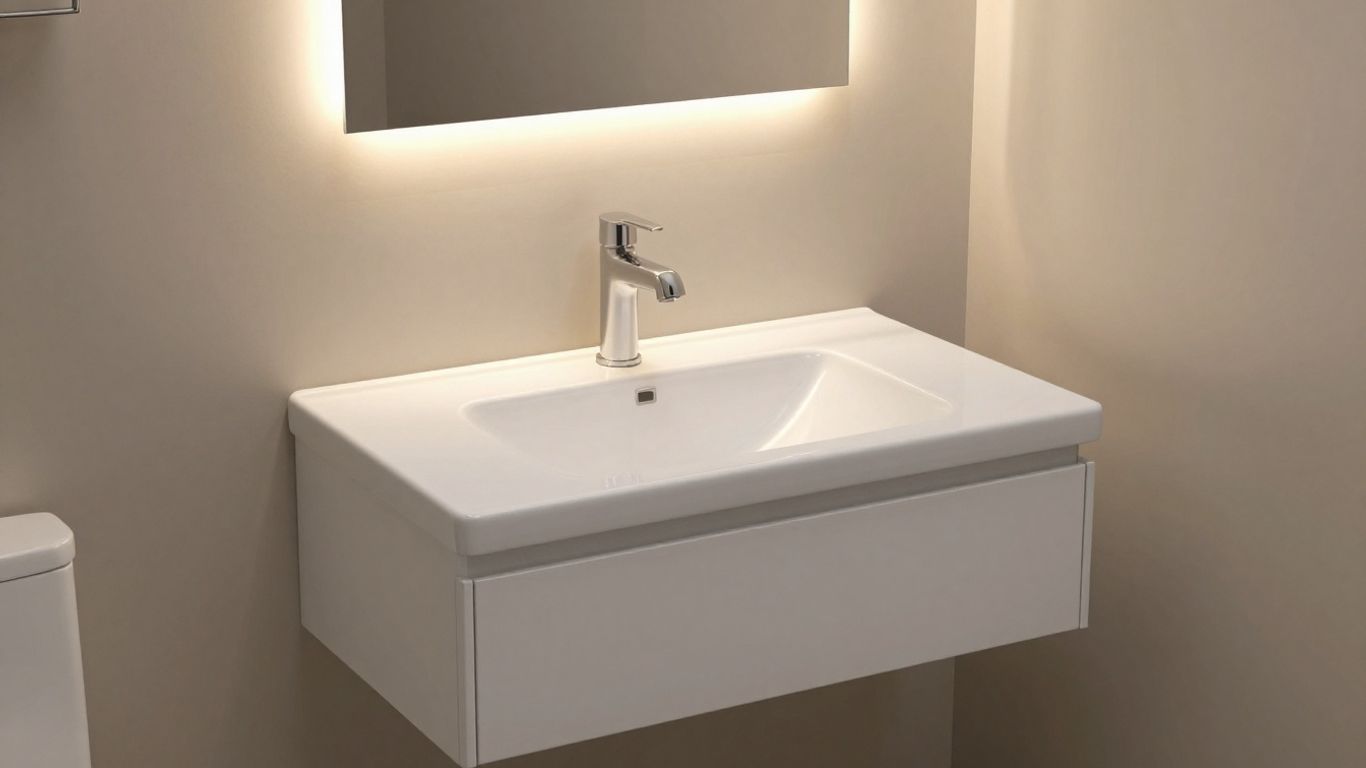
When you’re deep into planning your Ottawa bathroom renovations, it’s easy to get caught up in the tile and the vanity. But lighting? That’s where so many people trip up during bathroom remodels. It’s not just about having a light switch; it’s about making sure the light actually works for you, day in and day out. Getting this wrong can make your morning routine a pain or just make the whole room feel blah.
Brightness (Lumens) and Color Temperature (Kelvin)
Think about how much light you actually need. This is where lumens come in. More lumens mean a brighter light. For a general bathroom light, you might aim for around 70-80 lumens per square foot. But for task lighting, like over the vanity where you’re doing your makeup or shaving, you’ll want it brighter. Color temperature, measured in Kelvin (K), is also a big deal. Lower Kelvin numbers (like 2700K) give off a warm, yellowish light, similar to an old incandescent bulb. Higher numbers (4000K or more) give a cooler, bluer light. Most people find a neutral to slightly warm light (around 3000K to 3500K) works best for bathrooms, as it’s bright enough without being harsh.
Here’s a quick rundown:
- 2700K-3000K: Warm, cozy light. Good for ambient lighting or if you prefer a softer feel.
- 3500K-4000K: Neutral to cool white. Great for task lighting and general use, offering good clarity.
- 5000K+: Daylight. Very bright and blue-toned. Can be too harsh for most bathrooms, but might work in specific utility areas.
Style and Design: Matching Your Bathroom’s Aesthetic
Beyond the technical stuff, the look of your fixtures matters. You want them to fit the overall vibe of your bathroom. Are you going for a modern, clean look? Maybe something more traditional or rustic? The fixture should complement your vanity, your tile, and the rest of your decor. Don’t just pick the first thing you see; think about how it will tie everything together. It’s the little details like well-chosen lighting that can really make a bathroom renovation shine.
Sometimes, the simplest fixtures are the most effective. A clean-lined sconce on either side of a mirror provides even light without taking up too much visual space. Or perhaps a sleek, modern flush mount on the ceiling is all you need for general illumination. Whatever your style, make sure the fixture’s finish (like brushed nickel, matte black, or polished chrome) also plays nicely with your other hardware.
Consider these points when picking styles:
- Scale: Make sure the fixture isn’t too big or too small for the space. A giant chandelier in a tiny powder room can look out of place, just like a tiny pendant over a huge double vanity.
- Material and Finish: Think about how the metal or material will look with your faucets, cabinet hardware, and other accents.
- Light Direction: Some fixtures cast light up, some down, and some all around. Consider where you want the light to go – do you need it directed at the mirror, or just general room brightness?
- Dimmer Compatibility: Most fixtures can be fitted with a dimmer switch, which is a fantastic way to control the mood and brightness throughout the day. Definitely look into this for added flexibility.
When picking out lights for your bathroom, think about how much light you need and what style you like. You’ll want to make sure the lights are safe for a bathroom environment. For more tips on choosing the perfect fixtures, check out our website!
Frequently Asked Questions
What’s the biggest lighting mistake people make in bathrooms?
The most common mistake is relying only on a single overhead light. This can create harsh shadows, especially around the mirror, making tasks like shaving or applying makeup difficult. It also makes the bathroom look flat.
How can I improve my bathroom lighting?
Layer your lighting! Use soft overhead lights for general brightness, add lights around the mirror for task lighting, and maybe some accent lights under cabinets or around features to set the mood. Maximizing natural light from windows also helps a lot.
What’s the difference between vanity lights and ceiling lights?
Vanity lights are usually placed around or above the mirror to provide good light for grooming. Ceiling lights, like recessed lights or flush mounts, offer general room illumination. Chandeliers can be a stylish ceiling option too.
Why are shower lights important?
Shower lights are important for safety, especially in wet areas. They provide necessary visibility and can also add a stylish touch to your shower space.
What does ‘lumens’ and ‘Kelvin’ mean for lights?
Lumens measure how bright a light is – more lumens mean a brighter light. Kelvin measures the color of the light, from warm yellow (lower Kelvin) to cool blue (higher Kelvin). You want the right brightness and color for your bathroom’s needs.
How do I choose the right style of light fixture?
Think about your bathroom’s overall look. Do you have a modern, farmhouse, or traditional style? Choose fixtures that match your aesthetic. For example, sleek sconces might suit a modern bathroom, while a more ornate fixture could fit a traditional one.
