
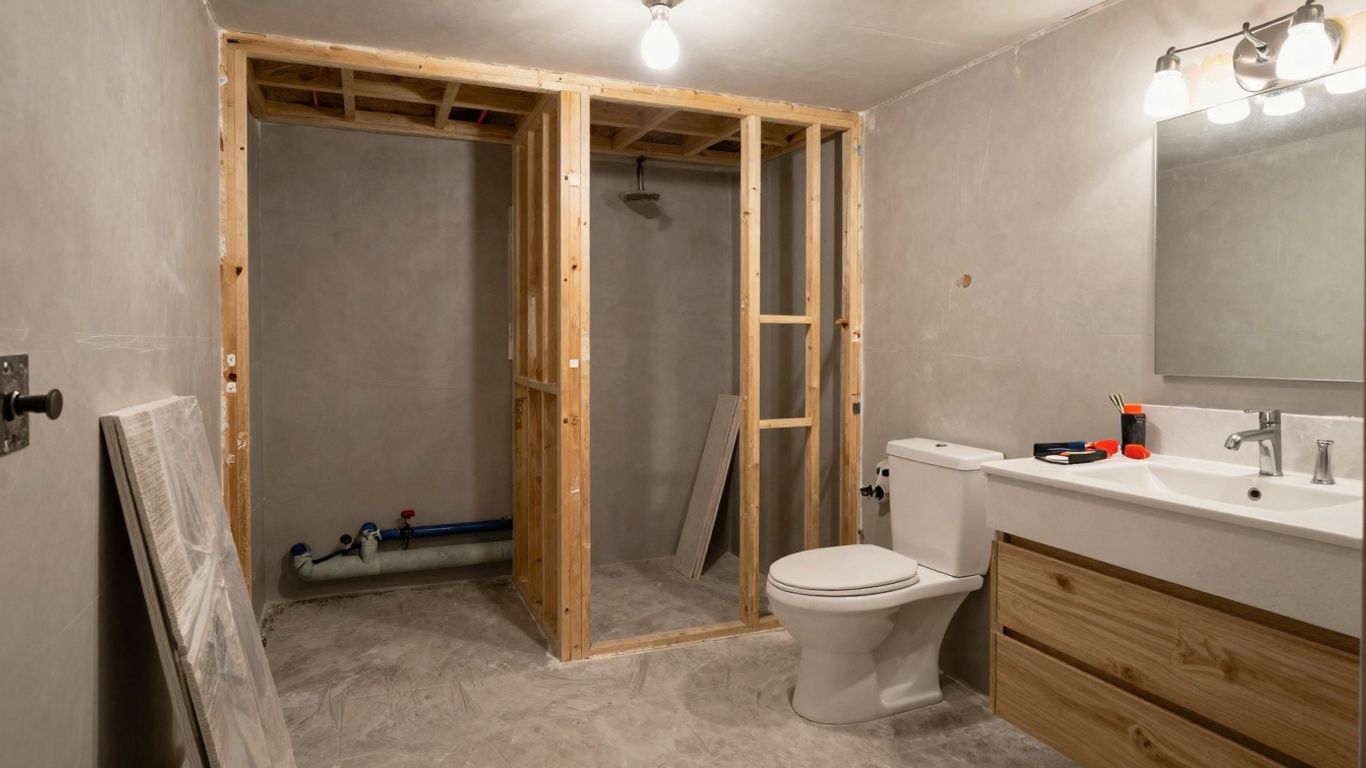
Adding a bathroom to your basement can seem like a big job, and honestly, it can be. But with a little planning and knowing what to expect, it doesn’t have to be a headache. This guide is here to help you through the whole Basement Bathroom Installation process, from figuring out where everything will go to making sure the water flows the right way. We’ll break down the steps so you can get that extra bathroom without too much fuss.
Key Takeaways
- Before starting, get familiar with local building rules and get any necessary permits. This avoids fines and legal trouble later.
- Figure out your basement bathroom renovations layout, decide on fixtures like a toilet, sink, and shower, and measure your space carefully.
- Check your existing plumbing and plan for drainage. You might need a sump pump or special toilet if your basement is below the sewer line.
- Electrical work, like wiring for lights and outlets, should be done by a professional electrician to meet safety codes.
- When installing, use moisture-resistant materials for walls and floors, and consider hiring professionals for plumbing and electrical tasks.
Understanding the Basics of Basement Bathroom Installation
So, you’re thinking about putting a toilet in the basement? That’s a pretty common Ottawa home renovation project, and for good reason. Adding a basement bathroom can really boost your home’s usability and value. But let’s be real, underground bathroom construction isn’t quite as straightforward as adding one upstairs. You’re dealing with different plumbing challenges, and sometimes, you need a bit of extra help to get everything flowing correctly.
The biggest hurdle is usually gravity. Unlike bathrooms on higher floors where waste naturally flows down, in a basement, you might be below your home’s main sewer line. This means you’ll likely need a special pump, like a sewage ejector pump, to push waste up and out. It sounds complicated, but it’s a standard part of how to install a bathroom in a basement.
Here’s a quick rundown of what you’re generally looking at:
- Plumbing Rough-in: This is where you map out and install the pipes for your toilet, sink, and shower. Getting this right is key for everything to work later.
- Drainage Solutions: Depending on your setup, you might need to dig into the concrete floor to connect to existing drains or install a pump system.
- Electrical Work: You’ll need power for lights, an exhaust fan, and outlets, all installed safely to code.
- Ventilation: Basements can be damp, so a good exhaust fan is a must to keep things fresh and prevent mold.
When you’re planning your Basement Bathroom Installation, remember that local building codes are there for a reason. They help make sure your new bathroom is safe and functional for years to come. It’s always a good idea to check with your local building department before you start cutting into anything.
Putting a toilet in a basement is totally doable, but it requires a bit more planning than you might think. This guide will walk you through the process, from understanding the plumbing quirks to making sure your new bathroom is a great addition to your home.
Planning Your Basement Bathroom Layout
So, you’re thinking about adding a bathroom to a basement? That’s a smart move for convenience and value. Before you start swinging hammers, though, you really need to nail down the layout. This is where putting a bathroom in a basement can get tricky, but good planning makes all the difference.
First off, take a good look at the space you have. How big is it? Where are the existing pipes and support beams? You don’t want to discover a giant concrete pillar right where you planned to put the toilet. Think about the flow – how will people get to it? Does it make sense with the rest of your basement’s setup?
Here are some things to consider when sketching out your DIY basement washroom setup:
- Fixture Placement: Where will the toilet, sink, and shower or tub go? Try to group plumbing together if you can. This often means placing the toilet near existing drain lines to simplify things.
- Door Swing: Make sure the bathroom door can open fully without hitting anything. Sometimes, a pocket door or a different hinge direction is the best way to go.
- Ventilation: Basements can be damp, so planning for good ventilation is a must. Where will the exhaust fan vent to?
- Lighting: Think about natural light (if any) and where you’ll need artificial light. You’ll want it bright enough to feel clean and safe.
Getting the layout right is probably the most important step in how to finish a basement bathroom. It affects everything from plumbing costs to how comfortable the space feels.
Consider these common layout challenges:
- Low Ceilings: If your ceilings are on the lower side, you might need to get creative with fixture choices or even consider lowering the floor in the shower area.
- Drainage: Gravity isn’t your friend in a basement. You might need a sewage ejector pump if your new bathroom is below the main sewer line. This is a big one to figure out early.
- Space Constraints: You might be working with a smaller area than you’d like. Opting for smaller fixtures, like a corner sink or a compact toilet, can really help. Bathroom vanities come in all sizes, so measure carefully.
When you’re planning your bathroom for a basement, always check your local building codes. They have specific rules about things like ceiling height, ventilation, and how far fixtures need to be from walls. Getting this wrong can lead to a lot of headaches later on.
Think about the materials too. For your bathroom tiles and walls, moisture-resistant options are key. This isn’t just about looks; it’s about preventing mold and water damage in a basement bathroom remodel. A well-planned layout makes choosing the right materials and fixtures much easier.
Checking Plumbing and Drainage Requirements
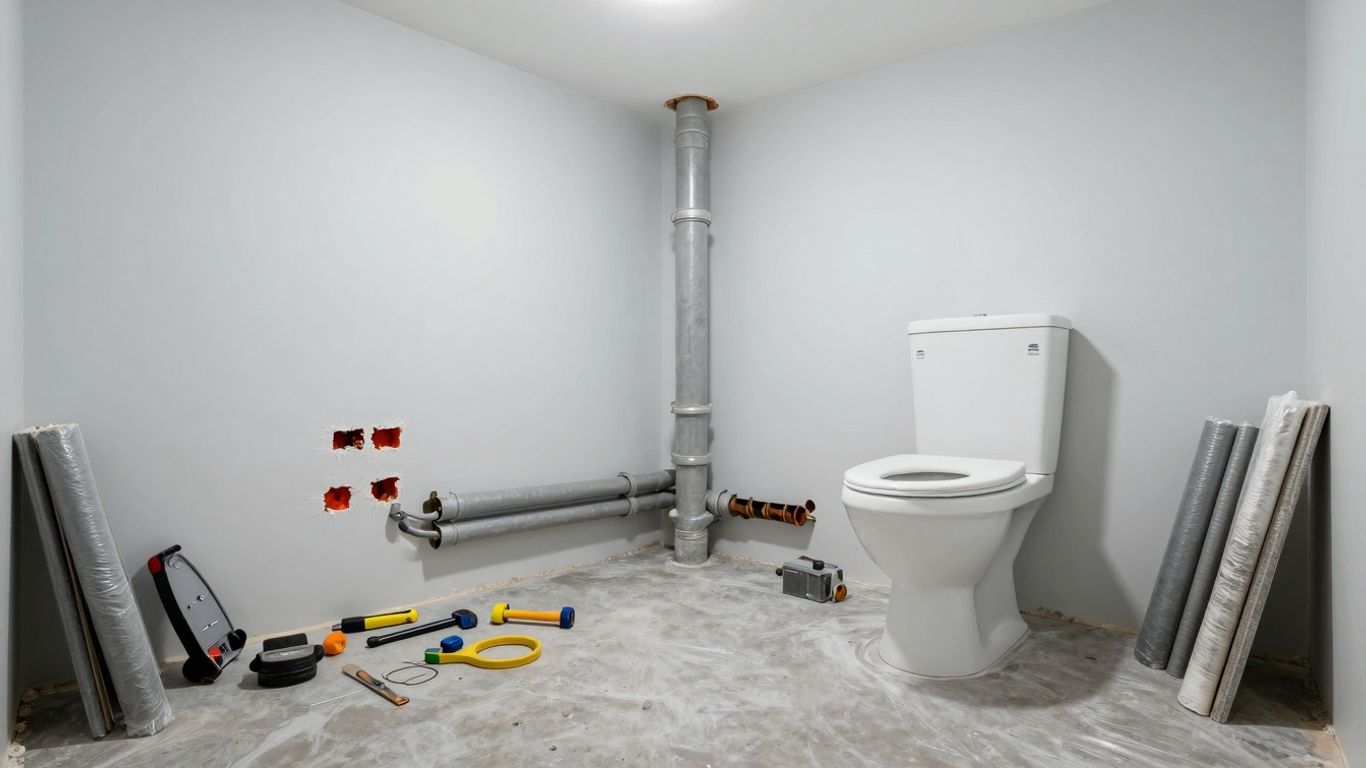
Alright, let’s talk about the pipes and drains for your basement bathroom. This is where things can get a little tricky, especially since gravity isn’t always on your side down there. If your new bathroom fixtures are going to be lower than your home’s main sewer line, you’ll almost certainly need a sewage ejector pump. This pump’s job is to push waste uphill to connect with your existing plumbing. It’s a pretty important piece of equipment to avoid any messy backups.
When you’re figuring out the toilet situation, you’ve got a couple of main options. There are macerating toilets, which grind up waste and can use smaller pipes, meaning less digging. Then there’s the traditional route, which involves digging up the floor to connect to standard pipes. It’s more work upfront, but it’s a solid setup if done right. Think about what makes the most sense for your space and your wallet.
Here’s a quick rundown of what you need to consider:
- Slope is Key: All your drain pipes need to slope downwards, usually about 1/8 inch per foot, so water and waste move away properly. Get this wrong, and you’ll have slow drains and potential clogs.
- Venting Matters: Proper venting lets air into the drain system. Without it, you can get gurgling sounds, slow drains, and even sewer smells creeping into your bathroom. You’ll need to connect your new vents to your home’s existing system or run them up through the roof.
- Traps Prevent Smells: Every fixture (toilet, sink, shower) needs a trap. This U-shaped pipe holds water, creating a seal that stops nasty sewer gases from coming back up into your bathroom.
Before you start any major work, remember to check with your local building department. You’ll likely need a permit for renovations like this, and they have specific rules about plumbing and drainage. Getting this sorted upfront saves a lot of headaches later on.
Don’t forget about protecting your new pipes before you pour concrete. Things like foam caps on open pipes and securing them in place can prevent damage during the concrete pour. It’s a small step that makes a big difference.
Creating a Practical Design & Floor Plan
Alright, so you’ve got the basic idea of adding a bathroom downstairs. Now comes the fun part: figuring out exactly where everything will go. This is where you turn that empty space into a functional bathroom. Think about how you’ll actually use the space day-to-day. Will it be a quick powder room, or do you need a full shower for guests or family?
First things first, measure everything. Seriously, get out that tape measure and jot down the dimensions of the area you’re dedicating to the bathroom. Don’t forget to note where existing pipes, drains, or support beams are. These aren’t just random obstacles; they’re part of the puzzle.
Here’s a quick rundown of what to consider when sketching out your layout:
- Fixture Placement: Where will the toilet, sink, and shower/tub go? Try to group plumbing fixtures together if possible to simplify the piping. This can save you a headache (and some cash) down the line.
- Door Swing: Make sure the bathroom door opens without hitting anything, like a vanity or the toilet. Sometimes a pocket door or a barn door can be a lifesaver in tight spots.
- Traffic Flow: How will people move around in the bathroom? You don’t want to feel cramped. Leave enough space to comfortably stand at the sink or move around the toilet.
- Ventilation: Where will the exhaust fan go? Good ventilation is super important in a basement bathroom to prevent moisture buildup.
It’s also a good idea to sketch out a few different options. Don’t just settle for the first idea that pops into your head. Play around with different arrangements until you find one that feels right.
When you’re planning, try to visualize yourself using the space. Imagine brushing your teeth, taking a shower, or just walking in and out. Does it feel natural? Are there any awkward spots? Thinking through these little details now can prevent big frustrations later on.
Consider creating a simple floor plan, even if it’s just on graph paper. You can draw out the walls, mark where each fixture will be, and even indicate the door and window locations. This visual guide will be incredibly helpful when you start talking to plumbers or renovation contractors, and it helps you spot potential issues before they become real problems.
Electrical Setup and Safe Lighting Choices
Alright, let’s talk about getting the lights on and the power flowing safely in your new basement bathroom. This part is super important, not just for flipping a switch and seeing, but for keeping everyone safe, especially since basements can be a bit damp.
First off, you’ll need to figure out where everything goes. Think about outlets for your hairdryer or electric toothbrush, and definitely where your exhaust fan will live. And don’t forget the main lights! Since basements usually don’t have windows, good lighting is a must. You’ll want to plan for both general overhead lighting and some task lighting, maybe around the mirror.
Here’s a quick rundown of what to consider:
- GFCI Outlets: These are non-negotiable. GFCI (Ground Fault Circuit Interrupter) outlets are designed to shut off power if they detect a problem, which is a big deal in a bathroom where water and electricity can mix. Make sure they’re installed anywhere near water sources, like the sink.
- Moisture-Resistant Fixtures: Regular light fixtures might not cut it. Look for ones specifically rated for damp or wet locations. This means they’re built to handle humidity without corroding or causing issues.
- Ventilation Fan: A good exhaust fan is key to preventing mold and mildew. Many come with built-in lights, which is a smart way to get two jobs done with one fixture.
- Wiring: All wiring needs to meet local building codes. If you’re not totally comfortable with electrical work, this is definitely a job for a licensed electrician. They know all the ins and outs to make sure it’s done right and safely.
When planning your lighting, think about layers. You need enough light to see clearly, but you don’t want it to be harsh. Recessed lights in the ceiling are great for overall brightness, while a vanity light above the mirror provides focused light for grooming. Consider using LED bulbs; they last a long time and don’t use as much energy.
Getting the electrical side of things right from the start will save you headaches down the road. It’s all about making your new basement bathroom functional, comfortable, and most importantly, safe.
Step-By-Step Installation Breakdown
Alright, let’s get down to the nitty-gritty of actually building this basement bathroom. It’s a process, for sure, but breaking it down makes it way less intimidating.
First things first, you’ve got to get the plumbing in place. This is the ‘rough-in’ stage. Think of it as laying down the skeleton for your water and waste lines. You’ll need to figure out exactly where your toilet, sink, and shower are going and mark out where the pipes need to run. Making sure those drain pipes have the right slope is super important – you don’t want any clogs down the road. If you need to run pipes under the concrete floor, you might have to do some digging, which is never fun but sometimes necessary.
Here’s a general order of operations:
- Rough-in Plumbing: Get your drain and water supply lines in place. This usually involves cutting into the floor if you’re not on a slab with existing drains. Make sure everything is sloped correctly for drainage.
- Framing and Walls: Build out the walls for your bathroom. You’ll want to use moisture-resistant drywall, especially in a basement environment.
- Electrical Rough-in: Run the wiring for lights, outlets, and any fans. Remember, basements can be damp, so GFCI outlets are a must for safety.
- Insulation: Insulate the walls and ceiling to help with temperature control and soundproofing.
- Finishing Walls and Ceiling: Hang and finish the drywall, then prime and paint with mold-resistant paint.
- Flooring: Install your chosen flooring. Tile or luxury vinyl plank are good, water-friendly options for basements.
- Fixture Installation: Now for the fun part – putting in the toilet, sink, and shower. Connect everything carefully to the rough-in plumbing.
- Final Electrical: Install light fixtures, switches, and outlets.
- Trim and Accessories: Add baseboards, door trim, and hang your mirror and any other accessories.
- Final Plumbing Connections: Connect the water supply to your fixtures and test everything thoroughly.
Don’t forget about permits and inspections! Most towns require them, and skipping this step can lead to big headaches and costs later on. Check with your local building department early in the process.
After the rough-in plumbing and electrical work are done, you’ll move on to framing the walls, hanging moisture-resistant drywall, and then getting your flooring and paint on. Finally, you’ll install the actual fixtures – the toilet, sink, and shower. Once those are in, you’ll do the final electrical hookups and add any trim or accessories. Testing all your plumbing connections thoroughly before you seal up the walls is a really smart move. It’s much easier to fix a small leak now than after everything is finished.
Budget Planning for Your Basement Bathroom
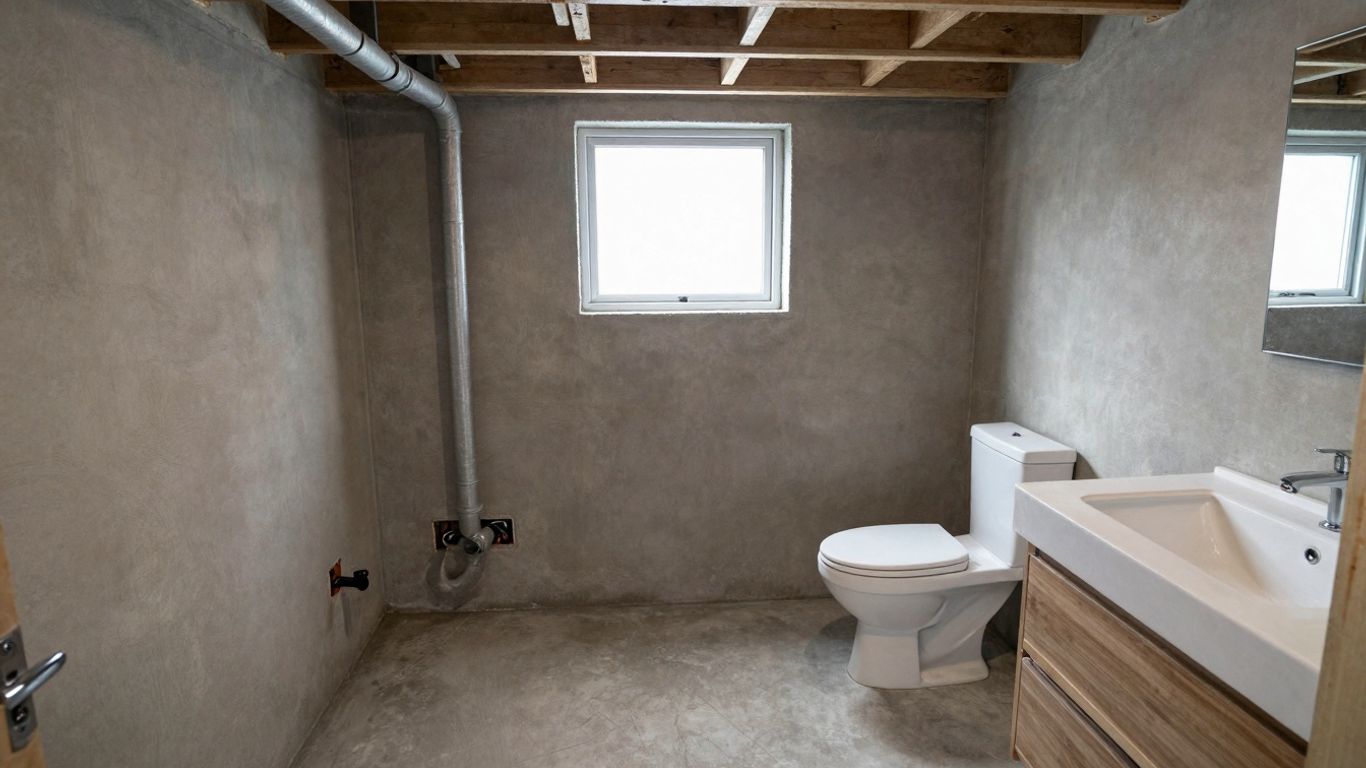
Alright, let’s talk about the money part of adding a bathroom to your basement. This is where things can get a little tricky, but being prepared is half the battle. The overall basement renovation bathroom cost can really swing depending on what you want and what you already have. It’s super important to get a handle on your budget early on to avoid those nasty surprises later.
Here’s a quick look at what usually eats up the budget:
- Plumbing and Drainage: This is often the biggest chunk. If you need to install a sewage ejector pump because your basement pipes are below the main sewer line, that’s an extra expense. Running new water lines and drains can also add up, especially if you have to break through concrete floors.
- Materials and Fixtures: Think about the toilet, sink, shower or tub, and all the tiles. Going for high-end options like custom Bathroom Cabinets or fancy tile will cost more than basic, functional choices. Don’t forget things like grout, sealant, and paint.
- Labor: Unless you’re doing everything yourself (and hats off to you if you are!), you’ll need to pay for skilled professionals. Plumbers, electricians, and general contractors all have their rates, and these can vary a lot by location.
- Permits: Yep, you’ll likely need a permit. The cost for a bathroom renovation require permit varies, but it’s a necessary step to make sure everything is up to code and safe.
Here’s a rough idea of where your money might go:
| Category | Estimated Cost Range | Notes |
|---|---|---|
| Plumbing (incl. pump) | $2,000 – $7,000+ | Depends heavily on complexity and need for an ejector pump. |
| Electrical | $500 – $1,500 | For lighting, outlets, and ventilation fan. |
| Fixtures (Toilet, Sink) | $300 – $1,000+ | Varies based on style and brand. |
| Shower/Tub | $500 – $3,000+ | Basic shower stall vs. a full tub with tile surround. |
| Flooring & Tile | $300 – $1,500 | Material choice makes a big difference. |
| Bathroom Cabinets/Vanity | $200 – $1,000+ | Storage solutions add to the cost. |
| Permits & Inspections | $200 – $800 | Check with your local municipality. |
| Miscellaneous | $500 – $1,000 | Tools, supplies, paint, etc. |
When you’re figuring out your budget, it’s always a good idea to add a little extra, maybe 10-15%, for those unexpected things that pop up. You know, like finding out a pipe is in a weird spot or deciding you really want that slightly nicer faucet after all. Having that buffer makes the whole process much less stressful.
Conclusion
So, you’ve made it through the whole process of planning and installing a bathroom in your basement. It’s a big project, for sure, but think about the extra space and convenience you’ve just added to your home. Remembering to check all the little details, from plumbing connections to electrical safety, really pays off in the long run.
Before you start using your new bathroom regularly, it’s a good idea to do a final walkthrough. Make sure everything looks right and works as it should. This is also the time to tidy up any remaining mess from the construction.
Here’s a quick rundown of what to look for:
- Plumbing: Check for any leaks under sinks or around the toilet. Flush the toilet a few times to make sure it drains properly.
- Electrical: Test all the lights and outlets, especially any GFCI outlets near water sources.
- Ventilation: Turn on the exhaust fan and make sure it’s moving air effectively.
- Finishes: Look over the paint, tile, and any caulking to ensure it’s all neat and tidy.
Taking a little extra time now to confirm everything is in order will save you headaches down the road. It’s about making sure your new bathroom is not just functional, but also safe and pleasant to use for years to come.
Adding a basement bathroom is a solid investment. It makes your home more comfortable and can even increase its value. Keep up with basic maintenance, like cleaning drains and checking for moisture, and your new bathroom will be a great addition for a long time.
In conclusion, we’ve covered a lot of ground. We hope this information was helpful and easy to understand. If you’re ready to start your next project or just want to learn more, visit our website today. We’re here to help you make your dream home a reality!
Frequently Asked Questions
Do I need a permit to add a bathroom in my basement?
Yes, in most places, you’ll need permits for plumbing, electrical, and sometimes even structural work. It’s super important to check with your local town or city hall. Getting the right paperwork avoids big fines and makes sure your bathroom is safe and legal.
What are the biggest challenges when putting a bathroom in a basement?
Basements can be tricky! You often have to deal with concrete floors, which makes running new pipes harder. Also, basements can be damp, so making sure everything is waterproofed and properly ventilated is key to prevent mold and water damage.
How do I handle plumbing if my basement is below the main sewer line?
If your basement pipes are lower than the city’s sewer line, you can’t just let gravity do the work. You’ll likely need a special pump system, like a sump pump or an ‘up-flush’ toilet, to push the waste up and out to the main sewer line.
Should I hire a professional for basement bathroom plumbing and electrical work?
Absolutely! Plumbing and electrical work involve safety risks and require knowledge of strict building codes. Hiring licensed professionals like plumbers and electricians ensures the job is done correctly, safely, and meets all legal requirements.
What kind of materials should I use for a basement bathroom to prevent moisture problems?
It’s best to use moisture-resistant materials. Think about things like cement board for walls instead of regular drywall, waterproof paint, and flooring like tile or vinyl that can handle dampness. Good waterproofing around showers and tubs is also a must.
How much space do I really need for a basement bathroom?
Even a small basement bathroom needs careful planning. You need enough room for a toilet, sink, and shower or tub, plus space to move around comfortably. Measure your area and sketch out a few layouts to see what fits best without feeling cramped.